As I explore the world of wearable AI and personalized fitness, I find it fascinating how these devices can tailor workouts to individual needs. They analyze everything from heart rate to sleep patterns, offering insights that can reshape our fitness journeys. But what does this mean for motivation and long-term health? Let’s examine the key features that make these tools effective and how they might just transform your approach to fitness.
Key Takeaways
- Wearable AI devices continuously monitor health metrics like heart rate, sleep quality, and activity levels to provide personalized insights.
- These devices offer tailored workout recommendations based on individual fitness levels and recovery needs for optimal performance.
- Integration with daily life includes personalized health recommendations and goal-setting features to enhance motivation and accountability.
- AI insights help identify fitness barriers, allowing users to adjust goals based on real data for better attainability and flexibility.
- Popular wearable AI devices, such as Apple Watch and Fitbit, provide advanced tracking capabilities for stress management and recovery optimization.
The Rise of Wearable AI in Fitness Technology
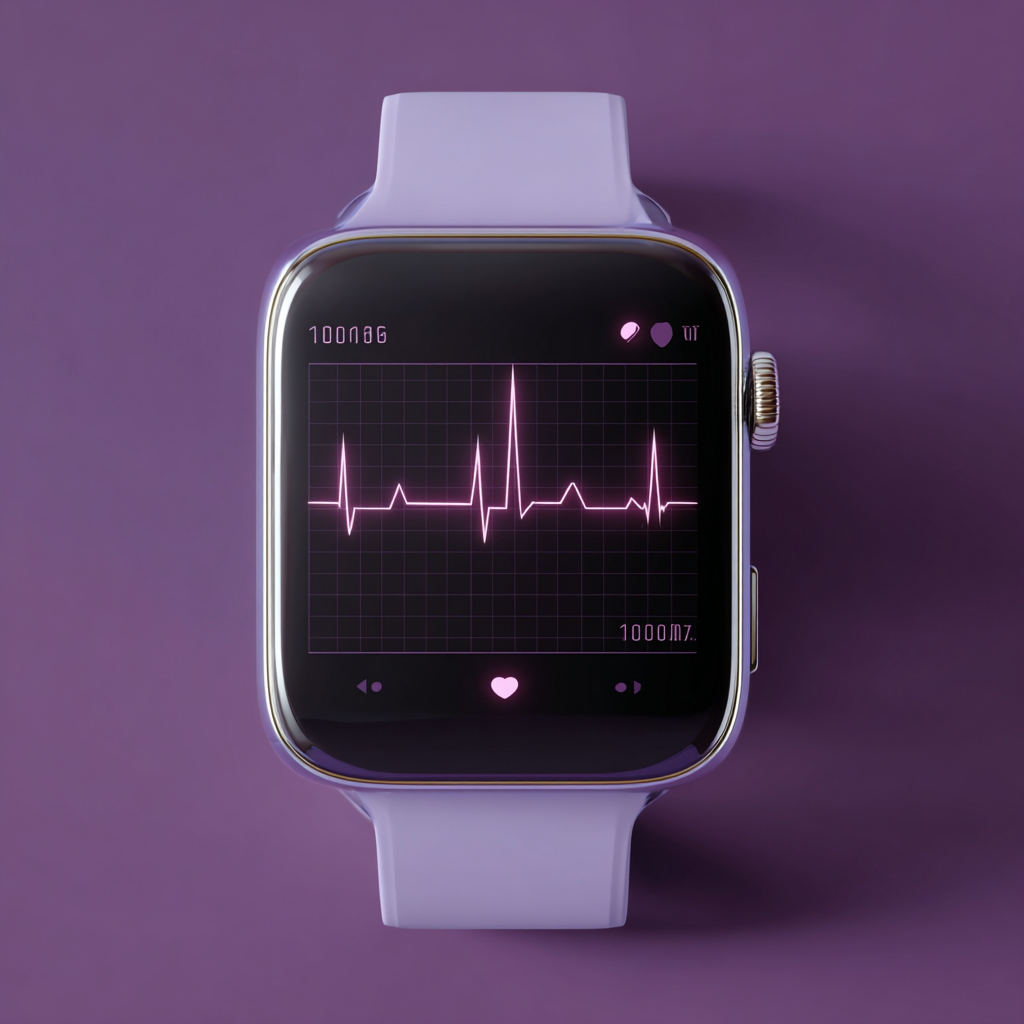
I’ve noticed a significant shift in fitness technology with the rise of wearable AI. These devices now offer enhanced health monitoring and tailored workout recommendations that seamlessly integrate into our daily lives. It’s fascinating how they’re not just tracking our movements but also guiding us toward healthier choices.
Enhanced Health Monitoring Capabilities
As technology evolves, wearable AI is revolutionizing health monitoring by providing insights that go beyond simple step tracking. I’ve experienced firsthand how these devices can enhance my understanding of overall well-being. With advanced capabilities, I can now access crucial health metrics that inform my daily choices. Here are some standout features:
- Continuous heart rate monitoring for stress management
- Sleep quality analysis to improve restfulness
- Blood oxygen level tracking for respiratory health
- Personalized hydration reminders based on activity levels
- Glucose pattern insights for better nutrition decisions
These innovations empower me to make informed lifestyle choices and optimize my fitness journey, transforming wearables into essential health companions.
Tailored Workout Recommendations
Building on the enhanced health monitoring capabilities of wearable AI, these devices are now revolutionizing fitness with tailored workout recommendations. I’ve found that my wearable not only tracks my activity but analyzes my health data to suggest workouts that fit my current fitness level and goals. For instance, if I’m feeling fatigued, it might recommend a lighter, recovery-focused session. On days when I’m energized, it pushes me towards more intense exercises. This personalized approach ensures that I’m not just exercising but doing so in a way that optimally benefits my body. I appreciate how the AI considers my sleep patterns, stress levels, and even glucose patterns, making every workout count toward my overall health and fitness journey.
Integration With Daily Life
Wearable AI is seamlessly integrating into daily life, transforming how we approach fitness and well-being. I’ve noticed that these devices aren’t just tracking my steps anymore; they’re actively enhancing my lifestyle. Here’s how they’re making a difference:
- Personalized health recommendations based on my unique data
- Insights into stress levels and sleep quality for better rest
- Glucose monitoring that informs my dietary choices
- Real-time feedback during workouts to optimize performance
- Goal-setting features that keep me motivated and accountable
With these tools, I feel empowered to make informed decisions about my health. The integration of AI in fitness isn’t just a trend; it’s a game-changer that’s making my daily routine smarter and healthier.
How Wearable AI Personalizes Your Workout Experience
When I use my wearable AI, I’m amazed at how it monitors my health in real time. It not only suggests tailored exercises based on my current condition but also adjusts my workout on the fly if I need it. This personalization truly transforms my fitness experience.
Real-Time Health Monitoring
Real-time health monitoring transforms how I approach my workouts, offering insights that go beyond simple step counts. With my wearable AI device, I can track various health metrics that directly influence my performance. Here’s what I love about it:
- Heart rate variability helps me gauge my stress levels.
- Sleep quality data ensures I’m well-rested before hitting the gym.
- Caloric expenditure tracking allows me to manage my diet effectively.
- Hydration reminders keep me on top of my fluid intake.
- Activity intensity analysis shows me when to push harder or take it easy.
These insights empower me to make informed decisions, ensuring my workouts are not only effective but also tailored to my personal health needs.
Tailored Exercise Recommendations
How can my workouts be more effective and enjoyable? With wearable AI, I get tailored exercise recommendations that truly fit my needs. These smart devices analyze my activity levels, heart rate, and even sleep patterns to suggest workouts that align with my goals. For instance, if I’m feeling stressed, the AI might recommend a calming yoga session instead of an intense HIIT workout. It understands when I need to push harder or take it easy, ensuring I’m not just working out, but doing so in a way that’s right for me. This personalization keeps my routine fresh and motivating, making it easier to stay committed and achieve my fitness goals. It’s like having a personal trainer on my wrist.
Adaptive Workout Adjustments
While I’m working out, I appreciate that my wearable AI can adapt my routine on the fly. It analyzes my performance in real-time, adjusting exercises to match my energy levels and goals. This feature keeps my workouts effective and engaging, ensuring I never hit a plateau.
Here are some ways my wearable AI personalizes my experience:
- Real-time feedback on form and intensity
- Automatic adjustments to exercise duration based on heart rate
- Customized rest periods tailored to my recovery needs
- Goal-oriented suggestions for variety in my routine
- Data-driven insights about my progress over time
With these adaptive workout adjustments, I stay motivated and challenged, making every session worthwhile.
Essential Features to Look for in Fitness Trackers
When you’re choosing a fitness tracker, you’ll want to look for features that truly enhance your health journey. First, consider heart rate monitoring; it’s essential for understanding how hard you’re working out. Sleep tracking is another must-have, as it helps you gauge your recovery. I also recommend a built-in GPS for accurate distance tracking during runs or hikes.
Next, look for activity reminders to keep you moving throughout the day. Customizable workout modes can help you focus on your specific fitness goals, whether it’s running, cycling, or strength training. Additionally, smartphone notifications can keep you connected without needing to check your phone constantly.
Finally, battery life matters; you don’t want to keep charging your device. By focusing on these features, you’ll find a fitness tracker that truly supports your health and wellness needs, guiding you every step of the way.
The Benefits of Real-Time Health Data
Real-time health data provides invaluable insights that can transform your fitness journey. When I began using a wearable device, I quickly realized how this data could enhance my workouts and overall well-being. Here are some benefits I’ve experienced:
- Immediate feedback: I can see how my heart rate responds during exercise, helping me adjust intensity on the fly.
- Personalized recommendations: The device offers tailored advice based on my stress and sleep patterns, guiding my daily activities.
- Motivation boost: Real-time stats keep me engaged, pushing me to reach my goals more effectively.
- Health awareness: I’m more attuned to my body, allowing me to identify potential issues before they escalate.
- Informed decision-making: With this data, I can make better choices about my nutrition and fitness plans.
Ultimately, real-time health data empowers me to take charge of my fitness journey like never before.
How AI Helps You Track Progress and Fine-Tune Your Plans
As I integrated AI into my fitness routine, I found that tracking my progress became not just easier, but also more insightful. My wearable device doesn’t just count steps; it analyzes my heart rate, sleep patterns, and even stress levels. This comprehensive data helps me understand how my body responds to different workouts and lifestyle choices.
For instance, when I noticed a drop in my sleep quality, the AI suggested lighter workouts for a few days, allowing my body to recover. I also received tailored recommendations that guided me in adjusting my nutrition.
Every week, I review my progress through the app, which highlights trends and patterns I might miss otherwise. This level of personalization means I can fine-tune my fitness plans effectively, ensuring I stay motivated and aligned with my goals. With AI, I feel like I have a personal coach, constantly adapting to my needs.

Setting Realistic Fitness Goals With AI Insights
When I started using my AI-integrated wearable, I quickly realized how crucial it is to understand my personal health data. With tailored insights, I can set realistic fitness goals that evolve over time, helping me tackle common barriers. Let’s explore how we can adjust our goals based on these valuable insights to truly enhance our fitness journey.
Understanding Personal Health Data
While I might feel overwhelmed by the sheer amount of personal health data generated by my wearable AI device, understanding this information is crucial for setting realistic fitness goals. By interpreting my data, I can make informed decisions about my health and fitness journey. Here’s what I focus on:
- Daily activity levels: Insights into my movement help me adjust my routines.
- Heart rate variability: Monitoring stress and recovery informs my workout intensity.
- Sleep patterns: Quality sleep is vital, and understanding my patterns aids recovery.
- Nutritional habits: Data on calorie intake helps me balance my diet.
- Hydration needs: Staying hydrated enhances my performance and overall well-being.
Tailoring Goals To Insights
By leveraging the insights from my wearable AI, I can tailor my fitness goals to be both realistic and achievable. The data it provides, such as my activity levels, sleep quality, and stress patterns, helps me understand what I can realistically accomplish. For instance, if my AI suggests that I’m not getting enough sleep, I know pushing for high-intensity workouts may not be wise. Instead, I focus on moderate exercises that align with my recovery needs. Additionally, tracking my glucose levels gives me the insight to adjust my nutrition accordingly. This personalized approach keeps me motivated and ensures I stay on track without overwhelming myself. Ultimately, it’s about finding balance and making informed decisions that support my overall well-being.
Adjusting Goals Over Time
As I continue to track my fitness journey, I find that adjusting my goals over time becomes essential for sustained progress. With the insights from my wearable AI, I can see what works and what doesn’t, allowing me to recalibrate my objectives. Here’s how I approach it:
- Analyze Data: I review my performance metrics regularly.
- Celebrate Small Wins: Acknowledging achievements keeps me motivated.
- Stay Flexible: Life changes, and my fitness goals should adapt too.
- Set SMART Goals: I ensure my goals are Specific, Measurable, Achievable, Relevant, and Time-bound.
- Listen to My Body: I pay attention to how I feel, adjusting my targets accordingly.
Overcoming Common Fitness Barriers
When I face common fitness barriers, I rely on AI insights to set realistic goals that keep me motivated. These intelligent wearables analyze my activity patterns, stress levels, and sleep quality, helping me identify what’s holding me back. I can adjust my goals based on real data, ensuring they’re attainable and tailored to my lifestyle. For instance, if my stress levels are high, I might prioritize yoga or meditation over intense workouts. This way, I stay engaged without feeling overwhelmed. Plus, I celebrate small victories along the way, which boosts my confidence. By integrating AI insights, I’m not just guessing what to do; I’m making informed choices that lead to sustainable fitness success.
Top Wearable AI Devices for Fitness Tracking
While many people associate fitness tracking with basic step counts, the latest wearable AI devices go far beyond that. I’ve explored some impressive options that provide personalized insights, helping us optimize our fitness journeys. Here are my top picks:
- Apple Watch Series 8: Offers advanced heart monitoring and personalized fitness tracking.
- Fitbit Charge 5: Tracks stress levels and sleep patterns with AI-driven insights.
- Oura Ring: A sleek ring that monitors sleep, readiness, and activity levels.
- Garmin Forerunner 255: Ideal for runners, it analyzes performance and provides recovery insights.
- Whoop Strap 4.0: Focuses on recovery and strain to enhance workout effectiveness.
These devices not only track your activity but also provide tailored recommendations to improve your overall health and performance. It’s like having a personal trainer on your wrist!
Connecting Wearable AI to Health Apps
Wearable AI devices have revolutionized fitness tracking, but their true potential shines when connected to health apps. By syncing these devices with apps, I can access comprehensive insights into my health, from sleep quality to stress levels. This connection allows for personalized recommendations that guide my workouts and daily habits.
Here’s a quick look at how wearable AI and health apps can enhance my fitness journey:
| Feature | Benefit |
|---|---|
| Activity Tracking | Monitors daily movement |
| Sleep Analysis | Improves sleep quality |
| Stress Monitoring | Offers relaxation techniques |
| Nutrition Tracking | Suggests meal plans |
| Goal Setting | Keeps motivation high |
Common Challenges With Wearable AI and How to Overcome Them
Although I’ve experienced the benefits of wearable AI, I’ve also faced some common challenges that can hinder my fitness progress. Here are a few issues I’ve encountered and how I tackle them:
- Data Overload: Too much information can be overwhelming. I focus on key metrics that matter most to my goals.
- Accuracy Issues: Sometimes, the readings aren’t precise. I regularly calibrate my device and cross-check with other sources.
- Battery Life: Running out of juice can interrupt my tracking. I set reminders to charge it regularly.
- Connectivity Problems: Syncing issues can be frustrating. I ensure my device and app are updated to minimize these hiccups.
- Cost: Quality wearables can be pricey. I research and look for deals to find the best value.
What Makes a Good Fitness Tracker?
What features should I look for in a good fitness tracker? First, I’d want accurate heart rate monitoring. It helps me understand my intensity during workouts and recovery. Next, GPS functionality is crucial if I enjoy outdoor activities like running or cycling. I need to track my routes and distance without my phone.
Another essential feature is sleep tracking. A good tracker should provide insights about my sleep quality, helping me adjust my habits for better rest. I also appreciate the ability to receive notifications, keeping me connected without constantly checking my phone.
Lastly, battery life matters. I don’t want to recharge my tracker every day; a week or more is ideal. With these features, I can ensure my fitness tracker not only counts steps but also serves as a valuable tool for a healthier lifestyle. Investing in one that includes these will definitely enhance my fitness journey.
Frequently Asked Questions
Can Wearable AI Devices Be Used for Mental Health Monitoring?
Absolutely, I believe wearable AI devices can be effective for mental health monitoring. They can track various metrics like heart rate variability and sleep patterns, which are closely linked to stress and anxiety levels. I’ve found that when these devices provide real-time feedback, it helps me recognize triggers and manage my mental well-being better. By analyzing this data, I can make informed choices to improve my overall mental health.
How Do I Choose the Right Wearable AI for My Fitness Level?
To choose the right wearable AI for my fitness level, I start by assessing my goals. I look for devices that track metrics important to me, like heart rate or sleep quality. Next, I consider comfort and usability; I want something I can wear daily. I read reviews to see how others with similar fitness levels have benefitted. Finally, I check for features that provide personalized insights to help me improve.
Are There Any Privacy Concerns With Wearable AI Health Data?
Absolutely, there are privacy concerns with wearable AI health data. I worry about how my personal information is collected and used. Companies might share my data without my consent, which feels invasive. I’ve learned to read privacy policies and adjust settings to protect my information. It’s crucial to choose devices from reputable brands that prioritize user privacy. Staying informed helps me enjoy the benefits while keeping my data safe.
Can Wearable AI Devices Integrate With Existing Health Insurance Plans?
Yes, wearable AI devices can integrate with existing health insurance plans, but it varies by insurer. I’ve found that some insurance companies offer incentives for using these devices, which can lead to discounts or reimbursements. It’s worth checking with your provider to see if they have partnerships or specific programs. I always recommend reading the fine print to understand how your data might be used and the benefits you can gain.
What Is the Battery Life of Typical Wearable AI Fitness Devices?
The battery life of typical wearable fitness devices usually ranges from about 5 to 14 days, depending on usage and features. I’ve found that devices with more advanced functionalities, like GPS or continuous heart rate monitoring, tend to drain faster. Personally, I prefer gadgets that last longer between charges, as it makes it easier to track my fitness consistently without interruptions. Ultimately, it’s all about finding the right balance for your lifestyle.
Conclusion
Incorporating wearable AI into my fitness routine has truly transformed how I approach my health. With real-time insights and personalized recommendations, I’ve been able to break through barriers and stay motivated. These devices not only track my progress but also adapt to my needs, making workouts more effective and enjoyable. As I continue to explore the capabilities of wearable technology, I’m excited about the journey ahead and the sustainable health outcomes it promises!